
Medicinal Weeds are Everywhere: pioneers with purpose.
They are first responders to injured soil, and consequently, the potent compounds they develop for survival become our medicine.
As the same plants are found worldwide, your acquired knowledge has universal application.
The same Medicinal Weeds can be found in almost every country in the world.
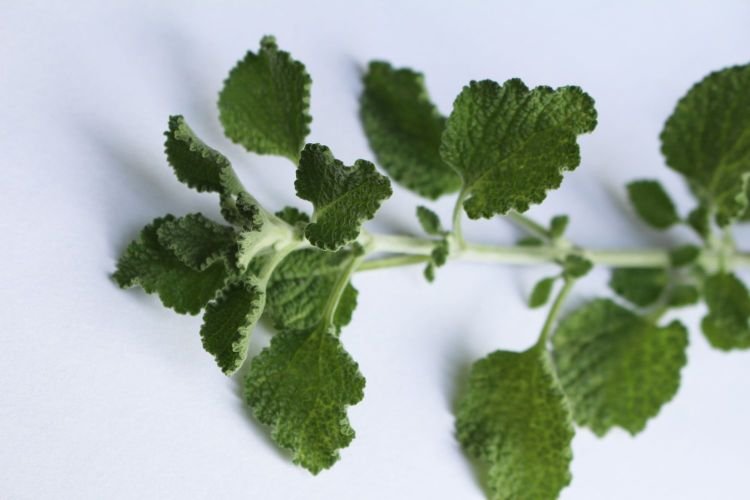
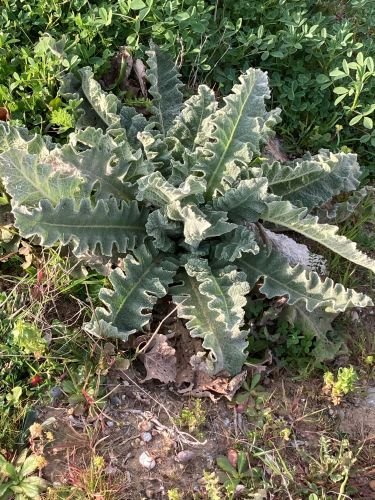
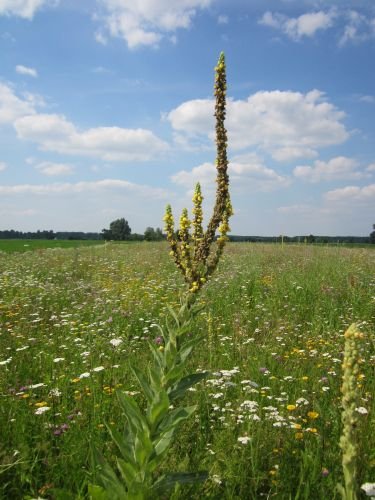
I found Horehound in Yemen and Mullein in Albania. Both of these are found in the USA.
If these and other medicinal weeds are not indigenous to a country they are commonly imported and cultivated.
Since medicinal weeds are universal any knowledge acquired regarding them is relevant.
Furthermore, you can take your knowledge and experiences with you and apply them anywhere.
To understand these plants, see them not as invaders, but as messengers.
They are “indicator plants”, offering a free diagnosis of your soil’s health.
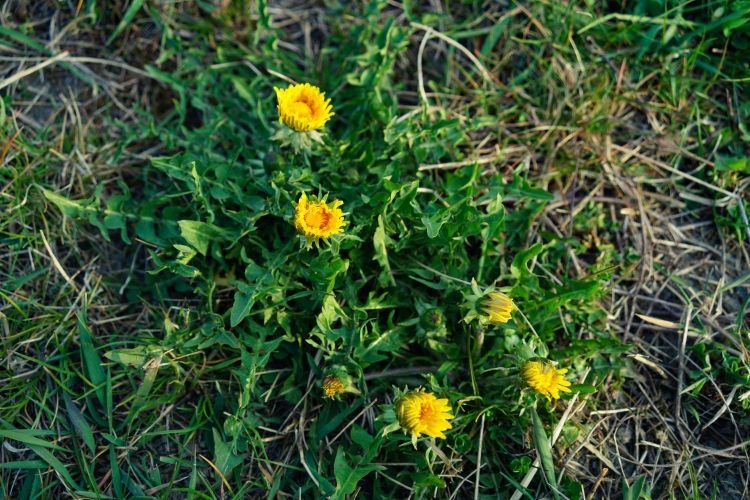
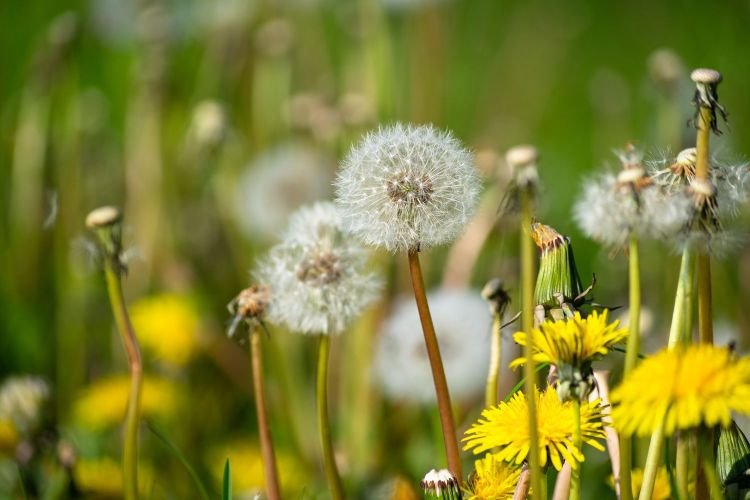
The dandelion is a key indicator plant.
It thrives where soil is compacted and calcium-deficient, signaling a need for aeration and lime.
Consequently, its deep taproot breaks up hard ground and pulls nutrients like calcium to the surface, naturally enriching the soil as it decomposes.
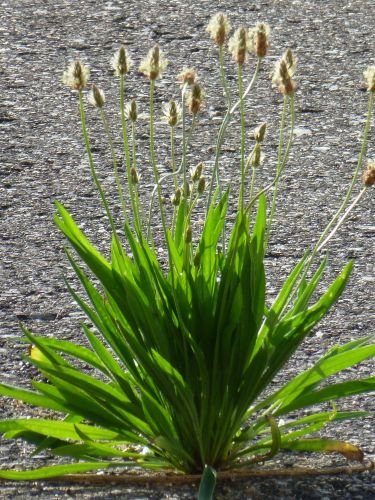
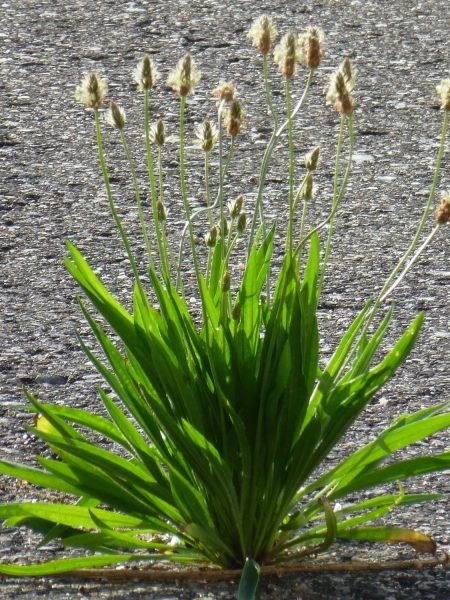
The plantain is a key indicator of compacted, worn-down soil.
Its fibrous roots heal the earth by binding the soil to prevent erosion and drawing up essential minerals that enrich it when they decompose.
You can aerate the compacted area as well as add compost to improve structure and nutrients.
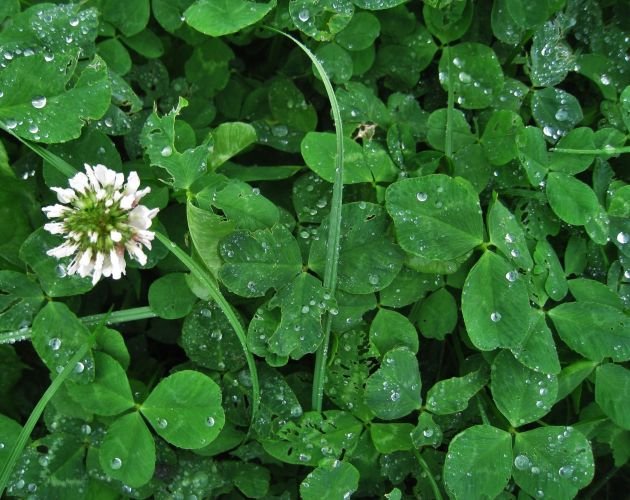
Clover’s appearance signals nitrogen-poor soil, which the plant then helpfully fixes with its symbiotic root bacteria.
If you choose to remove the clover, adding a nitrogen-rich amendment like compost or fertilizer will address the soil’s need and discourage its return.
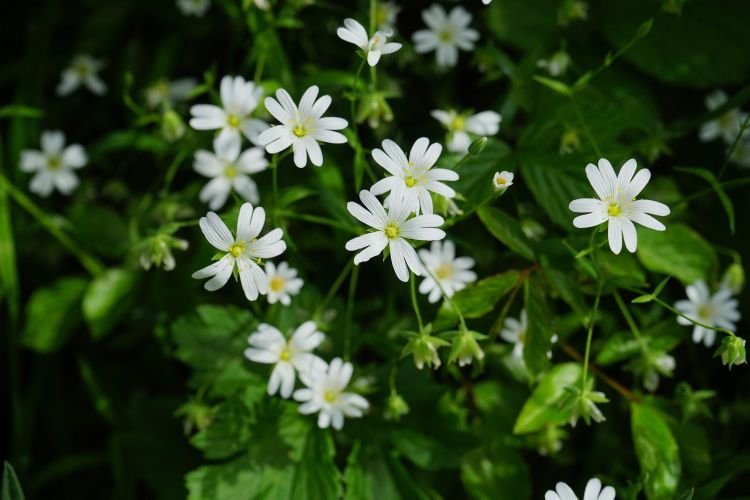
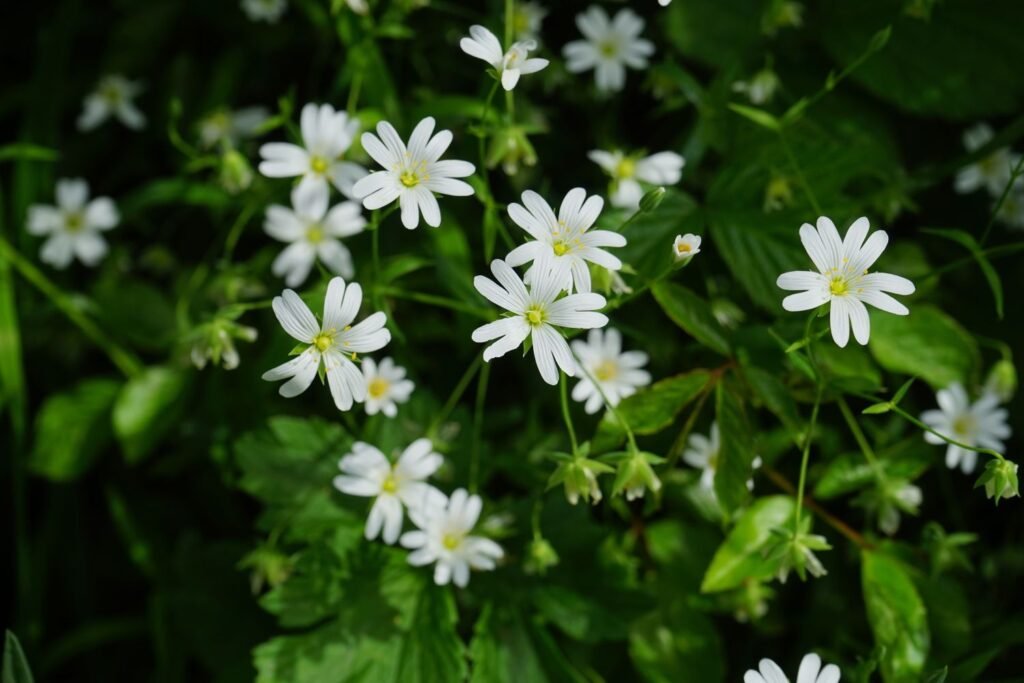
Serving as a reliable indicator of disturbed or imbalanced soil, Chickweed, thrives in areas that are compacted, waterlogged, or nutritionally poor.
With its small seeds and affinity for poor soils, it is often the first to arrive, stabilizing and enriching the surface to prepare the ground for other plants.
By forming a protective mat, it prevents erosion and, as it decomposes, adds organic matter and nutrients to the earth.
In this way, chickweed actively works to build the richer, more structured soil that allows future plants to thrive.
If you choose to remove it, improve the underlying conditions first: aerate compacted soil, add compost to balance fertility, and adjust watering to improve drainage—this will address the cause and make it easier to manage.
By learning to read these plant signals, you gain insight into the underlying health of your ecosystem.
Further allowing you to make informed decisions about soil amendments or simply to appreciate that these plants are actively healing the imbalances they indicate.
This perspective shift, from viewing weeds as enemies to recognizing them as ecological physicians, transforms your entire relationship with your landscape.
Rather than fighting nature’s attempts to heal damaged or depleted soil, you can work with these medicinal plants.
Including harvesting their nutritional and healing benefits while they simultaneously improve your land.
The Dandelion is a complete nutritional supplement.
Its leaves are a potassium-rich diuretic, promoting kidney function.
Furthermore, its root stimulates bile production for liver detoxification.
As well as resolving uric acid gall and kidney stones.
The roasted root makes a caffeine-free coffee.
Plantain is a natural antibiotic for cuts and insect bites.
Crush and apply a leaf for instant relief.
In addition, it acts as a respiratory support when taken as a tea.
Chickweed has cooling and anti-inflammatory effects making it a staple for treating eczema, psoriasis, minor burns, and insect bites.
Furthermore, chickweed tea eases bronchitis and coughs by thinning mucus.
Acts as a potent expectorant, relieving coughs, bronchitis, and congestion by loosening mucus.
Stimulates bile production, easing indigestion.
Contains marrubiin, reducing inflammation in respiratory and gastrointestinal tissues.
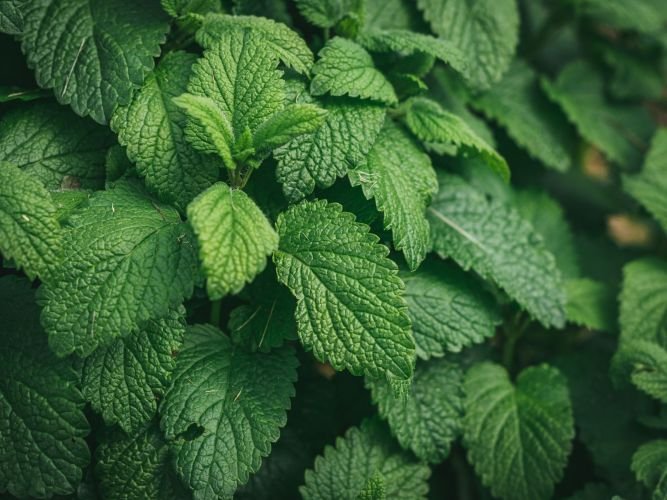
Peppermint and spearmint alleviate nausea, bloating, and IBS via menthol’s antispasmodic effects.
Acts as a decongestant; inhaling vapors clears sinus congestion.
Aromatherapy enhances focus and memory.
Soothes asthma, bronchitis, and dry coughs due to soothing and expectorant properties.
Mullein oil infused with garlic treats earaches and infections.
Calms irritated mucous membranes in the throat and lungs.
Author: Charles W. Kane
Check out all of his books on Goodreads.
“Medicinal Plants of the Western Mountain States”
“Medicinal Plants of the American Southwest”
Both of these books are comprehensive and include plant identification with great photos, what the plants are used for and how to use them including dosages.
As well as what parts to use and foraging tips.
Local herbalists and plant walks, botanical gardens with native plant sections, online foraging communities for your region
In summary, from dandelions to chickweed, common “weeds” found worldwide serve as both healers and teachers.
Their presence diagnoses your soil, while their medicinal properties offer remedies for everyday ailments.
By learning to identify these plants, you gain practical knowledge that is globally relevant.
Ultimately, this shifts your perspective, allowing you to see a universal pharmacy and ecological partner in your own backyard.
Thanks for the great information!! I want to learn more about the ways in which weeds contribute to soil improvement.